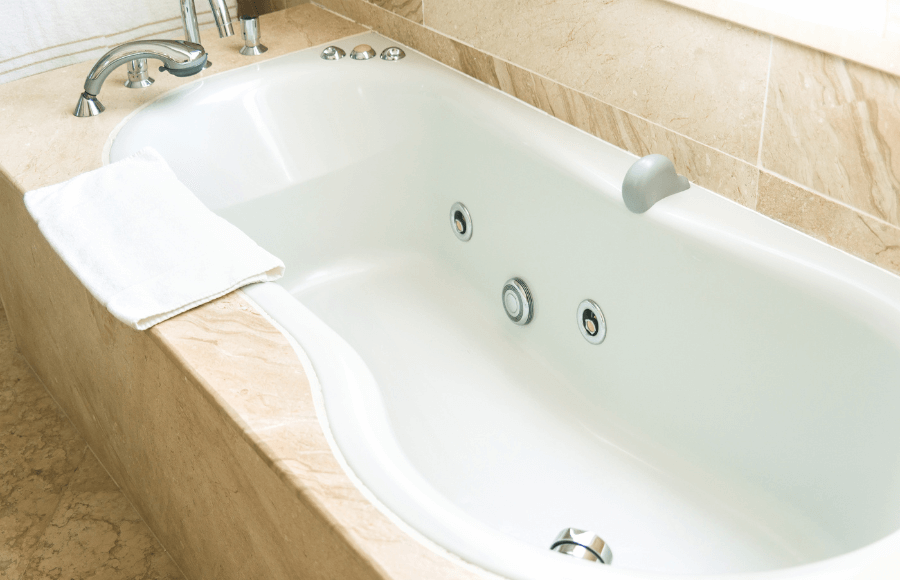


Bathtubs can indeed be custom made. Today’s market offers personalized tubs designed to perfectly fit your unique bathroom space and style. Custom bathtubs provide exclusive features like hydrotherapy jets, bespoke finishes, and tailored dimensions that standard models simply cannot offer.
This article explores the benefits, options, and practical steps to create your dream tub.
Introduction To Custom Bathtubs
What Does “Custom Bathtub” Mean?
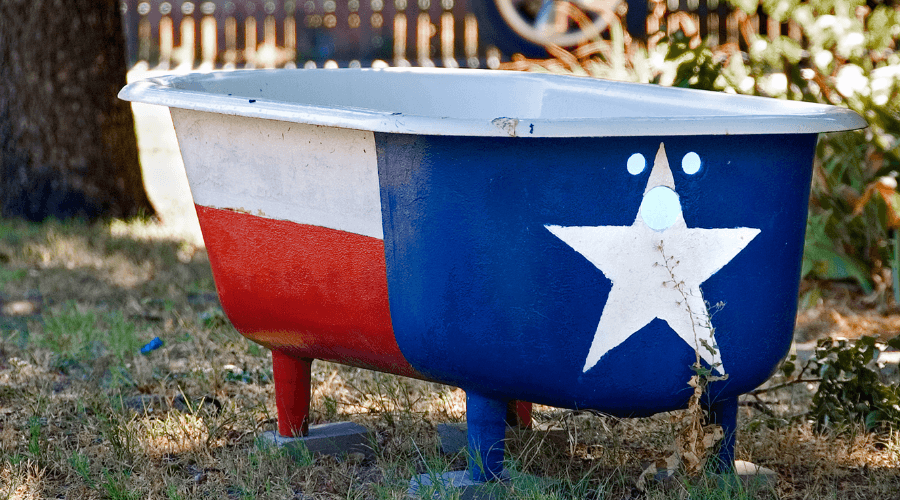
A custom bathtub is a uniquely tailored fixture created to perfectly match your bathroom’s dimensions and design preferences. Unlike standard tubs, it offers personalized shapes and sizes. Custom bathtubs incorporate chosen design elements—such as special finishes, integrated jets, or built-in seating—that standard models simply don’t provide.
Every detail, from material selection to added features, reflects your personal style, turning an ordinary bath into a functional work of art.
Why Consider A Custom Bathtub?
Opting for a custom bathtub gives you a product that fits your space and lifestyle perfectly. It provides the flexibility to design a tub that complements your room’s layout while elevating its overall look. With enhanced functionality like hydrotherapy jets, LED lighting, and ergonomic contours, a custom tub transforms bath time into a relaxing spa experience.
Investing in a custom bathtub creates a unique focal point that combines beauty and practicality to meet your daily needs.
Who Can Benefit From A Custom Bathtub?
Homeowners with unique bathroom dimensions or design challenges benefit greatly from a custom bathtub. It offers tailored solutions where standard tubs fall short. Luxury design enthusiasts appreciate the exclusive finishes and innovative features that transform the tub into a striking centerpiece.
Additionally, those with accessibility or specific functional needs find that custom bathtubs can be designed to accommodate mobility, safety, and comfort.
Exploring Custom Bathtub Options
Types Of Custom Bathtubs On The Market
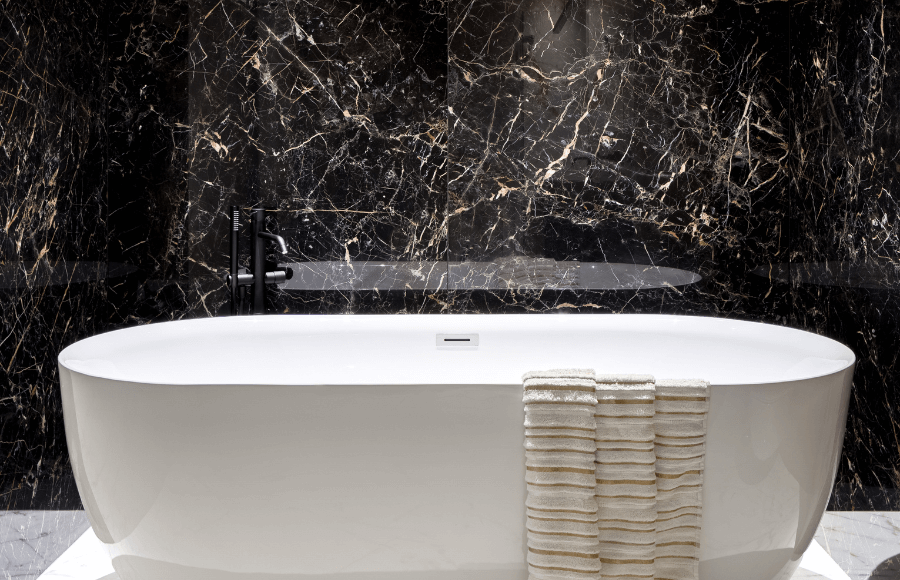
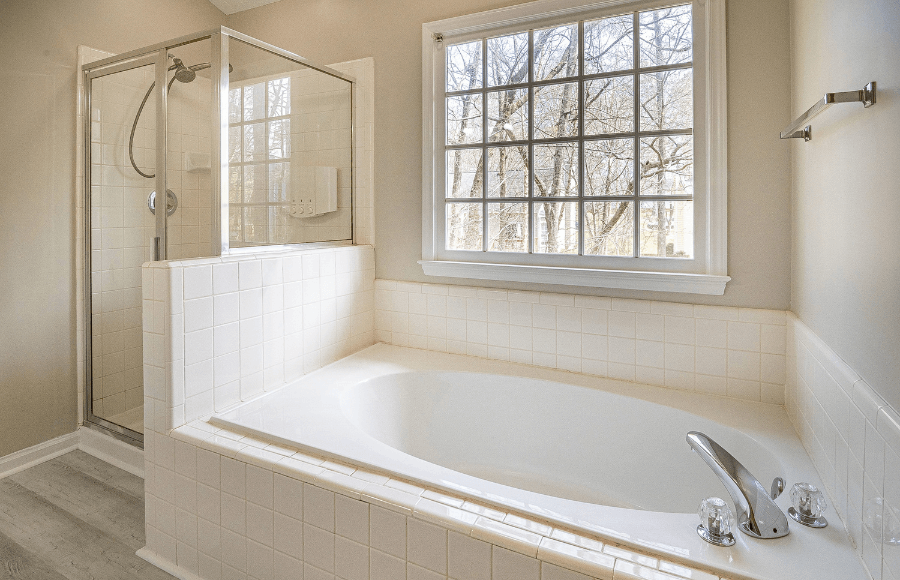
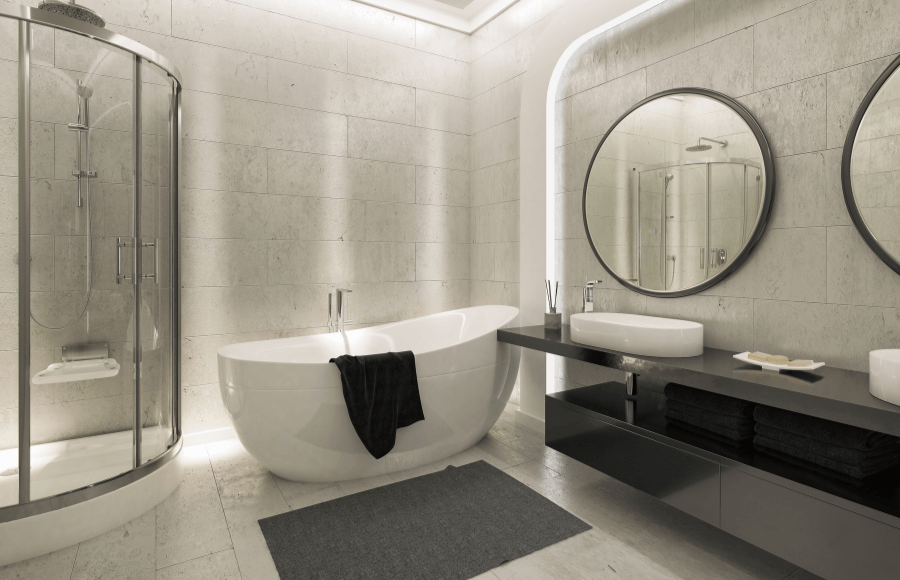
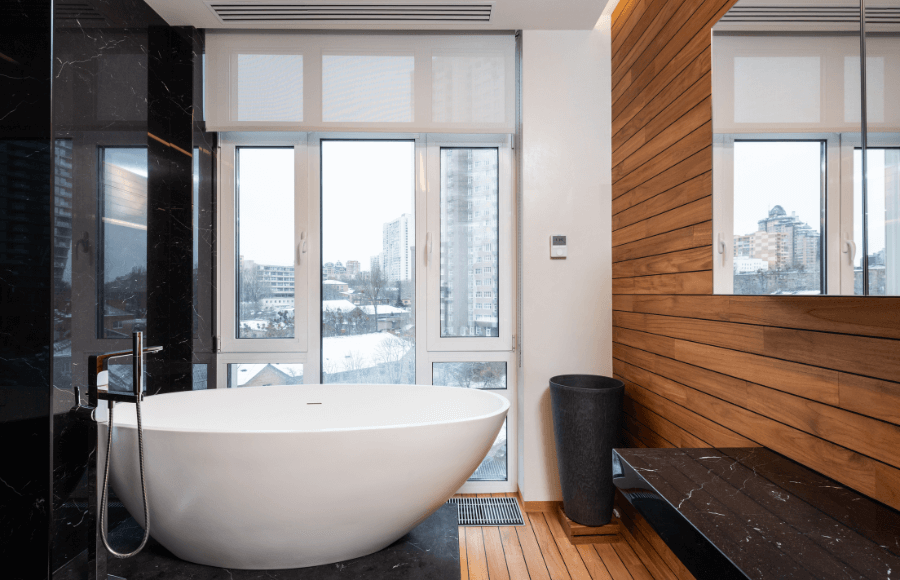
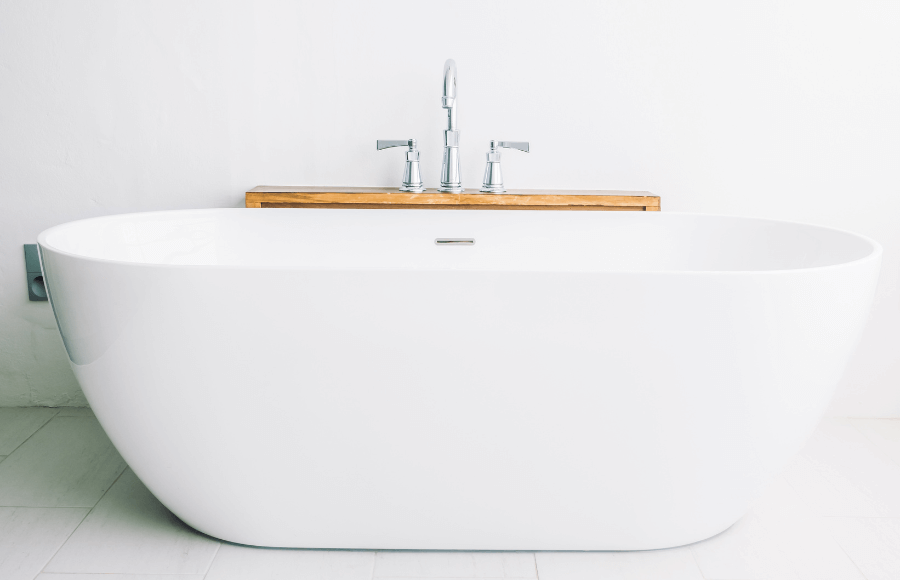
Custom bathtubs come in a range of styles to suit various bathroom layouts and personal tastes. Freestanding tubs add a modern, sculptural look, while built-in designs blend seamlessly with surrounding walls for a unified appearance.
Walk-in bathtubs are designed for accessibility with low step-in heights and added safety elements. Specialty tubs boast unique shapes and extra features, making them ideal for luxury bathrooms. Knowing these types helps you choose the design that best fits your space.
Materials And Finishes For Custom Bathtubs
Common materials for custom bathtubs include acrylic, stone resin, cast iron, copper, and wood. Each material offers a unique look, durability, and heat retention quality to complement your bathroom’s design. Acrylic is popular for its lightweight versatility and ease of molding, while stone resin mimics natural stone with added insulation.
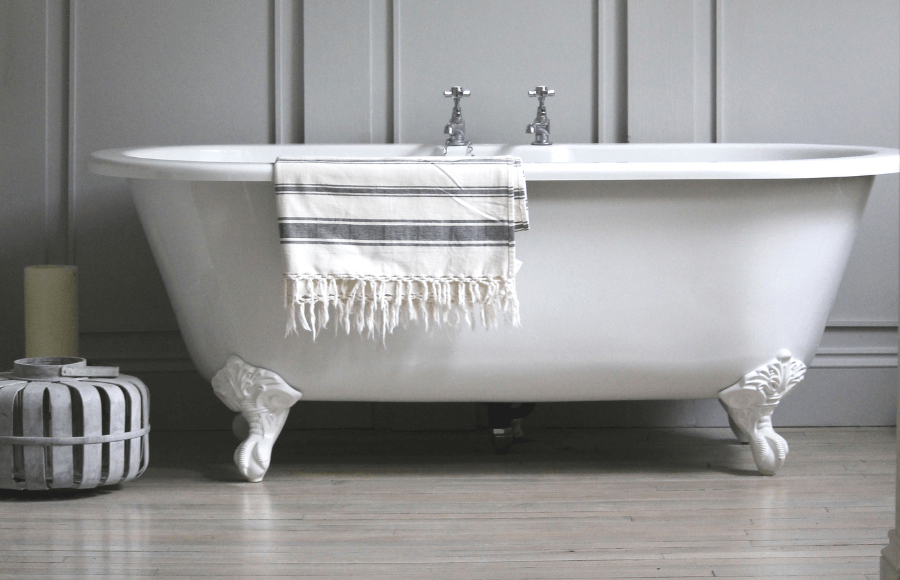
Cast iron provides a classic, timeless aesthetic, and copper or wood delivers a luxurious finish if properly treated. Choosing the right material is essential for both beauty and maintenance.
Key Features And Personalization Options
Custom bathtubs often include special features that elevate your bathing experience. Options like hydrotherapy jets, LED lighting, and built-in headrests enhance comfort and functionality. Additional personalization options include unique shapes, integrated sound systems, and precise temperature controls.
These enhancements let you tailor the tub’s performance to your lifestyle, transforming bath time into a truly relaxing, spa-like retreat.
Recommended Related Reading: How much do custom bathroom cabinets cost?
Building Your Own Custom Bathtub
Planning And Design Essentials
Begin your project by carefully measuring your bathroom to ensure the tub fits seamlessly. Create a detailed sketch to visualize your layout and design features. Consider the location of plumbing and electrical systems early on to avoid installation issues.
Spend time researching design ideas and gathering inspiration, then document everything in a clear plan to guide your build.
Materials And Tools You’ll Need
Selecting the right materials is critical. Common choices include concrete, fiberglass, tile, or wood with waterproof sealant—each offering unique durability and aesthetic appeal. Gather essential tools such as a level, trowels, mixing tools, and safety gear.
Quality materials and the proper tools ensure a smooth finish and proper installation while keeping the project safe and efficient.
Step-By-Step Process To Build A Bathtub
Start by creating a sturdy mold or frame that defines the tub’s shape and guides the placement of all elements. Next, assemble the structure using your chosen material, forming a solid base and walls. Install proper drainage systems, then move on to waterproofing by applying sealants and waterproof layers.
Finally, add finishing touches like tiling or decorative elements to bring your custom tub to life.
DIY Versus Hiring Professionals
Deciding between a DIY project and hiring professionals depends on your skill level and available time. A DIY approach can be rewarding but involves a steep learning curve and potential challenges with materials and waterproofing.
Professional help offers expertise in design, plumbing, and finishing, ensuring a high-quality result, though it may cost more. Consider your budget, technical skills, and timeline to choose the best option.
Practical Considerations And Maintenance
Cost And Time Investment
Custom bathtub projects require careful budgeting for high-quality materials, specialized tools, and possible labor costs, which often exceed those for standard tubs. Time is equally important; expect the project to span several weeks, with potential delays. Setting a realistic timeline and preparing for unexpected expenses is crucial.
Ensuring Durability And Safety
Focus on proper waterproofing and strong construction methods to ensure your bathtub is durable. Use high-quality sealants and follow proven techniques to create a leak-resistant structure. Incorporate adequate drainage and non-slip surfaces to enhance safety, and verify that all components meet industry standards for a secure, long-lasting tub.
Tips For Long-Term Maintenance
Regular maintenance is key to keeping your custom bathtub in top condition. Clean it with gentle, non-abrasive products and reapply sealants as needed to prevent wear. Schedule routine inspections to catch minor issues before they become major problems.
Following manufacturer guidelines and addressing repairs promptly will ensure your investment lasts for years.
Recommended Related Reading: How much does a custom bathtub cost?
Final Thoughts And Resources
Key Takeaways On Custom Bathtubs
This article shows that custom bathtubs offer unmatched personalization and functionality. They let you choose unique shapes, sizes, and features that standard tubs cannot provide. While they can be a DIY project or built by professionals, they do require careful planning, quality materials, and a realistic budget.
Inspirational Examples And Case Studies
Real-world examples from luxury brands and creative DIY projects demonstrate how custom bathtubs can transform a bathroom. These case studies reveal innovative solutions for challenging spaces and accessibility needs, inspiring new ideas and design approaches.
Where To Find More Information And Support
For further guidance, explore trusted home improvement blogs, manufacturer websites, and online design forums. You can also consult local contractors, specialty retailers, and professional designers. Industry magazines and community groups offer additional insights and support for planning your custom bathtub project.
Conclusion
Custom bathtubs offer unmatched personalization and functionality beyond standard models. They accommodate diverse design needs, whether through DIY projects or professional builds, transforming your bathroom into a stylish, relaxing retreat. With careful planning, quality materials, and regular maintenance, a custom tub becomes a lasting, worthwhile investment.